29 Jun 2026
What is a Payments Bank? How It Differs from a Regular Bank
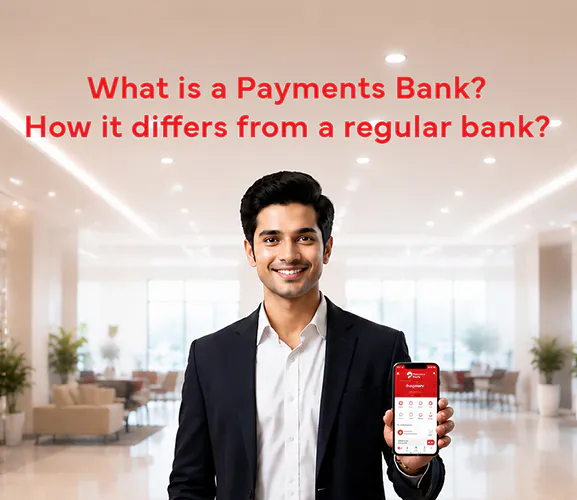
Most of us grew up with one standard idea of how a bank should look. We picture a massive concrete building where you stand in long queues to deposit cash, update a physical passbook, and deal with complicated paperwork. But over the last few years, a completely new model has shaken up the financial system.
If you have been hearing the term thrown around lately and wondering what is a payments bank, you aren't alone. It is essentially a modernised, highly focused version of a traditional financial institution, built entirely around speed, daily convenience, and digital access.
Payments Bank vs Regular Bank: The Key Differences
When you compare a payments bank with a regular bank, the biggest distinction comes down to what they are actually allowed to do by the Reserve Bank of India.
- No lending or credit cards: A regular bank makes a massive chunk of its money by handing out corporate loans, issuing credit cards, and handling complex mortgages. A payments bank legally cannot do any of those things. Their sole purpose is to keep your daily money secure and handle your everyday transfers without the financial risks associated with lending.
- Maximum deposit limits: While traditional banks let you park an unlimited amount of cash in your savings, payments banks operate with a strict regulatory cap. Even at Airtel Payments Bank, you can only hold a maximum end-of-day balance of ₹2 lakh in your account. This setup is specifically designed to protect everyday consumers and keep the system incredibly stable for small savers.
- End of minimum balance requirements: One of the most frustrating aspects of using a traditional branch is the constant pressure to maintain a minimum average balance. If your funds dip too low, the bank hits you with hidden fees. A zero-balance account payments bank doesn’t force you to lock up a chunk of your cash just to keep the account active, giving you total freedom over your mone
Why Switching to a Payments Bank Makes Sense?:
Switching to this modern setup does not mean you sacrifice the perks of a good account. In fact, when you look closely at Airtel Payments Bank features, the daily benefits easily rival the old way of doing things. Instead of exposing your primary savings account for day-to-day expenses like groceries and transportation, you can use the Airtel Payments Bank Savings Account as a Safe Second Account for all your daily transactions.
You can even earn up to a 6.5% interest rate on your savings, which easily beats the standard rates most traditional branches offer right now. You also get immediate access to digital wallets, eco-friendly debit cards, and instant UPI transfers directly from your smartphone. Your account goes live in minutes using just your Aadhaar and PAN details, completely skipping the heavy paperwork.
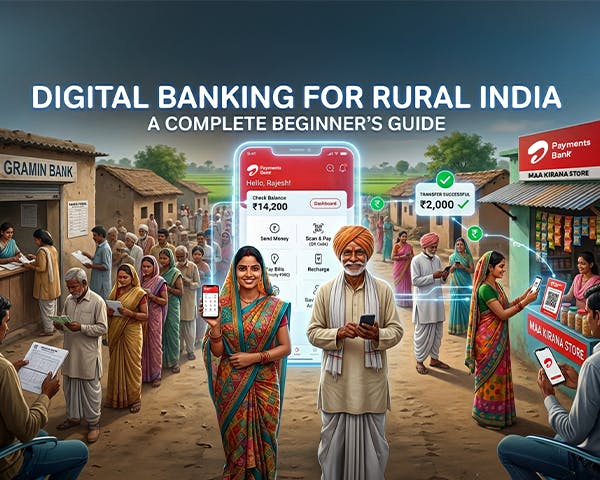
If you ever need to deposit or withdraw physical cash, you don't hunt for a distant branch. You simply visit one of our 5,00,000 neighborhood banking points located in local pharmacies and grocery stores across the country.
The Bottom Line
The payments bank vs regular bank debate has reached a turning point, where more and more people are trusting the payments bank to handle their daily finances. After all, it is a banking system built for your actual daily routine; it's fast, incredibly secure, and completely free from the old bureaucratic headaches.
FAQs
- What is a payments bank?: A payments bank is a digital bank offering most services provided by a traditional bank except issuing loans or credit cards.
- Does the RBI regulate any zero-balance account payments banks?: Yes, Airtel Payments Bank is one such bank that offers zero-balance savings accounts and is regulated by the RBI.
- How can I access Airtel Payments Bank features?: You can start by downloading the Airtel App on your smartphone or visiting one of the neighbourhood banking points. To access the baking features, open a savings account.